How Care Homes Help Older Adults Stay Independent for Longer
One of the most common concerns families have when considering care is whether moving into a care home will mean losing independence.
It is an understandable worry. Many older adults have spent decades managing their own homes, making their own decisions and maintaining their own routines. The thought of moving into a care home can sometimes feel like giving up part of that independence.
In reality, the opposite is often true.
A high-quality care home is designed to support independence, not take it away. By providing the right level of assistance at the right time, residents can continue living fulfilling lives while enjoying greater confidence, safety and peace of mind.
At residential care homes in Essex, the goal is not to do everything for residents. It is to provide the support that allows them to continue doing as much as possible for themselves.
Understanding Independence in Later Life
Independence means different things to different people.
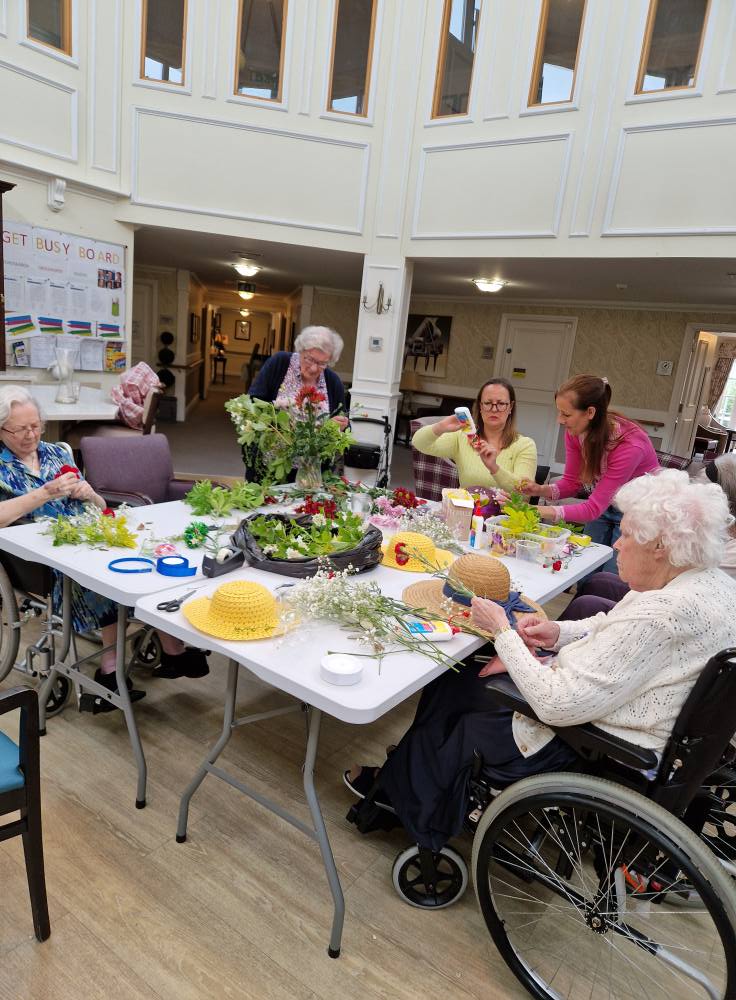
For some, it may be being able to choose how they spend their day. For others, it could be maintaining favourite hobbies, socialising with friends, enjoying regular outings or simply having privacy and personal space.
As we age, some daily tasks can become more difficult. Household chores, cooking, medication management or mobility challenges may begin to impact confidence and quality of life.
The right care environment helps remove these pressures while allowing residents to focus on the things that matter most to them.
Rather than struggling with the demands of everyday life, residents can enjoy more freedom to spend their time doing the things they love.
Personalised Care That Supports Choice
No two residents are the same, which is why personalised care is such an important part of modern care home life.
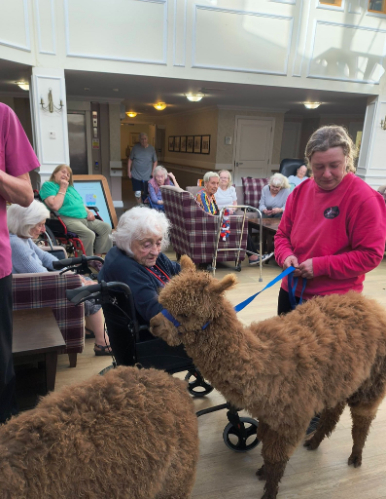
Every resident has their own preferences, routines, interests and level of support required. Care plans are developed around the individual, ensuring they receive assistance where needed while remaining actively involved in decisions about their daily life.
Whether someone prefers an early morning start, enjoys afternoon activities or likes quiet time with a book, those preferences should always be respected.
Supporting independence begins with listening to residents and understanding what matters most to them.
Reducing the Stress of Daily Living
Many older adults find that maintaining a home becomes increasingly challenging over time.
Tasks such as cooking, cleaning, laundry, gardening and household maintenance can become physically demanding and emotionally draining.
In a care home setting, these responsibilities are taken care of by a dedicated team, allowing residents to focus on enjoying their day rather than worrying about practical concerns.
This often creates a renewed sense of freedom. Instead of spending energy managing a household, residents can invest their time in social activities, hobbies, family visits and relaxation.
Encouraging Physical Activity and Mobility
Remaining active is an important part of maintaining independence.
Care homes often provide opportunities for gentle exercise, walking groups, fitness sessions and other activities designed to support mobility and confidence.
Importantly, these activities are adapted to suit individual abilities and preferences.
Even small amounts of daily movement can help residents maintain strength, balance and flexibility, allowing them to continue participating in the activities they enjoy.
By encouraging activity in a safe and supportive environment, care homes can help residents remain independent for longer.
Building Confidence Through Social Connection
Loneliness and isolation can have a significant impact on wellbeing and confidence.
Many older adults living alone find themselves becoming increasingly isolated, particularly if mobility becomes limited or family members live further away.
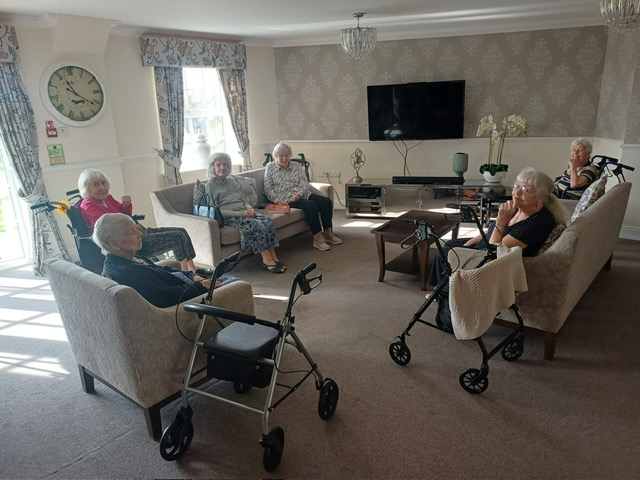
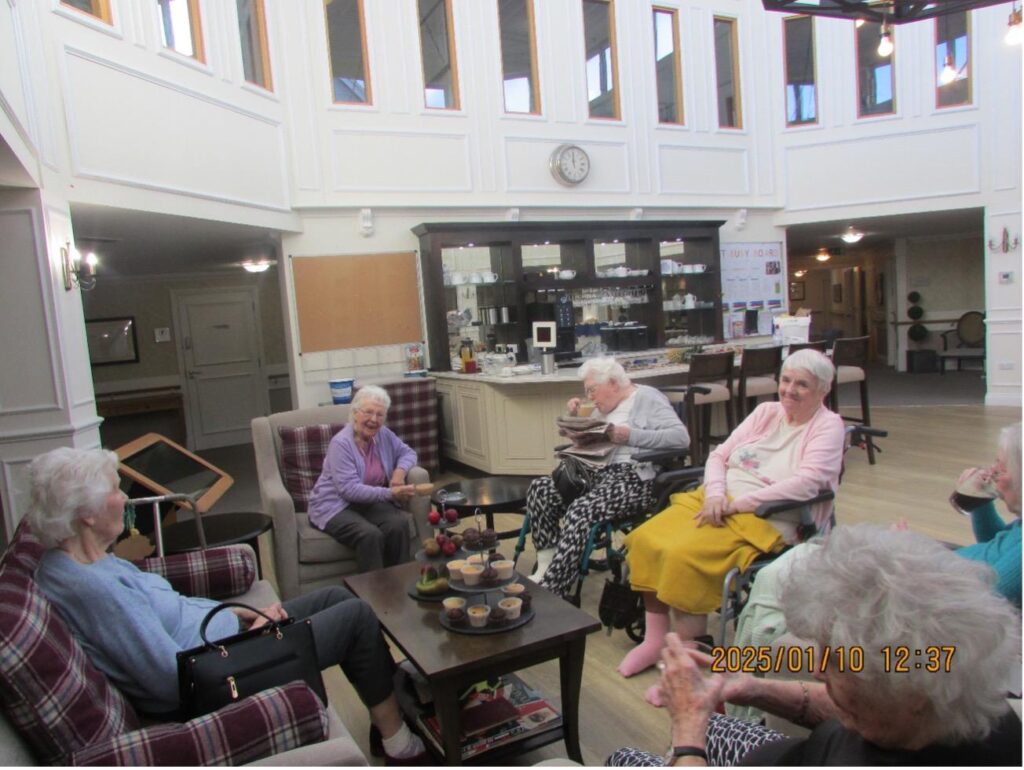
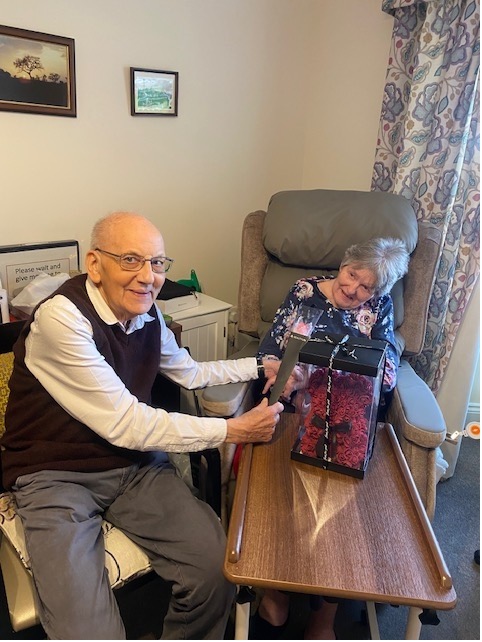
Care homes provide opportunities to build friendships, participate in activities and enjoy regular social interaction.
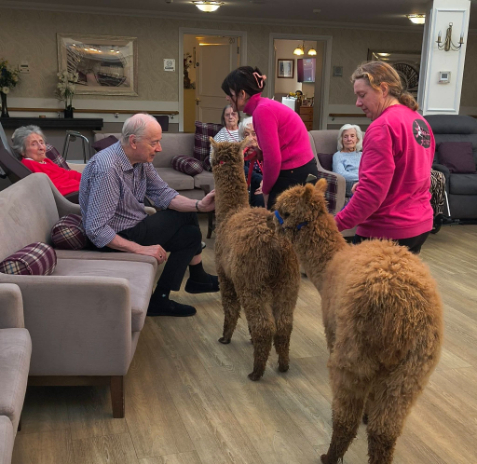
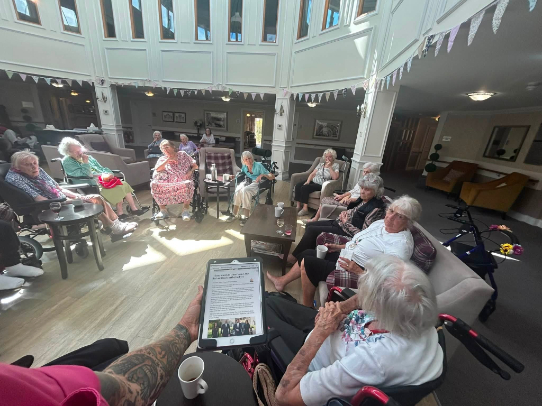
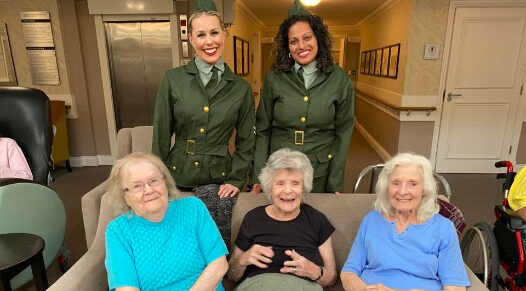
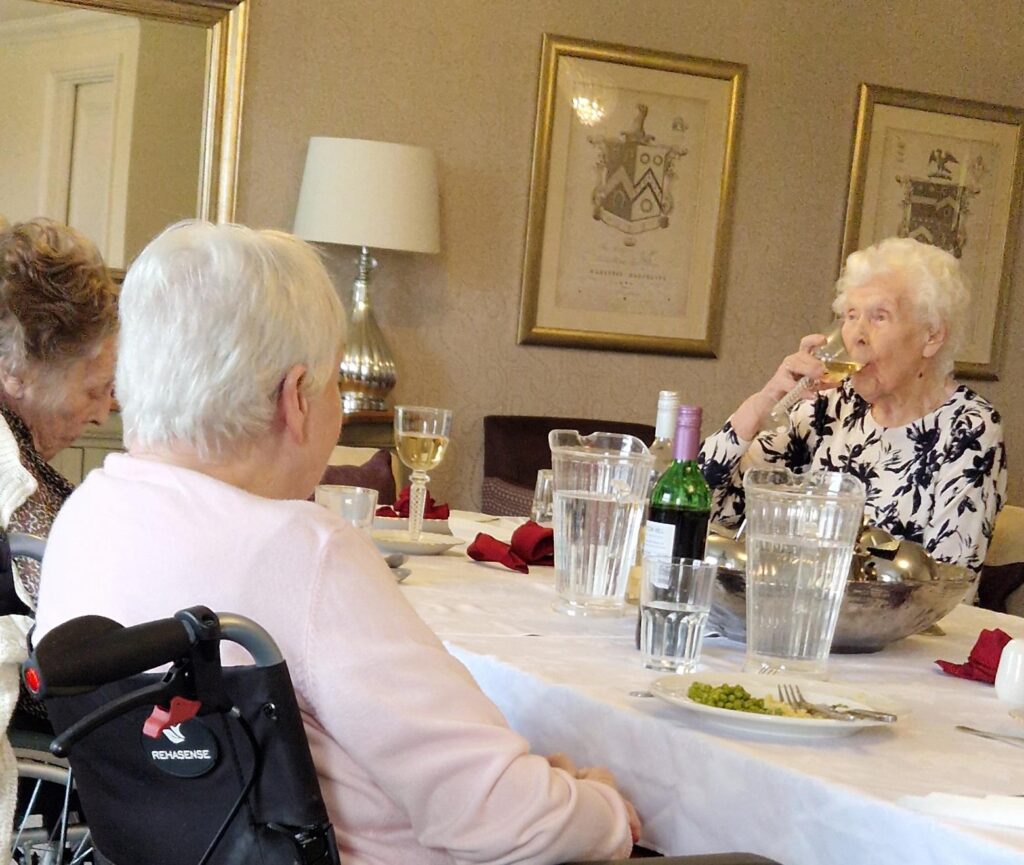
Whether it is sharing meals with fellow residents, joining a craft session, attending an event or simply enjoying a conversation over coffee, these connections help residents feel valued and engaged.
For many people, moving into a care home actually increases their social independence by opening up opportunities that may no longer have been accessible at home.
Maintaining Hobbies and Interests
Independence is about more than physical ability. It is also about continuing to enjoy the activities that bring purpose and enjoyment to life.
A good care home takes time to understand each resident's interests and encourages them to continue pursuing the hobbies they enjoy.
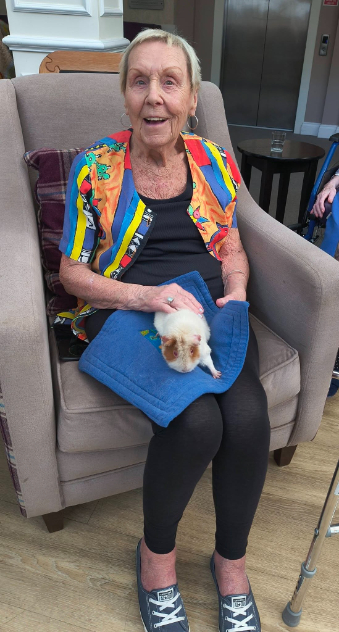
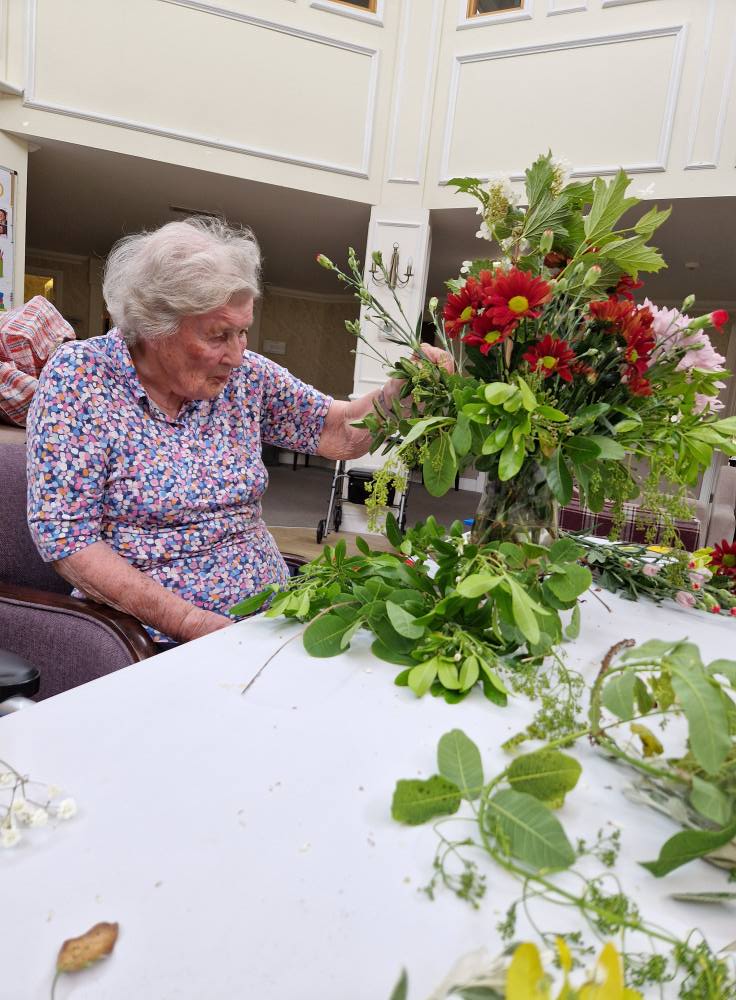
Whether that involves gardening, painting, reading, music, baking or participating in community events, maintaining these interests helps residents retain a strong sense of identity and purpose.
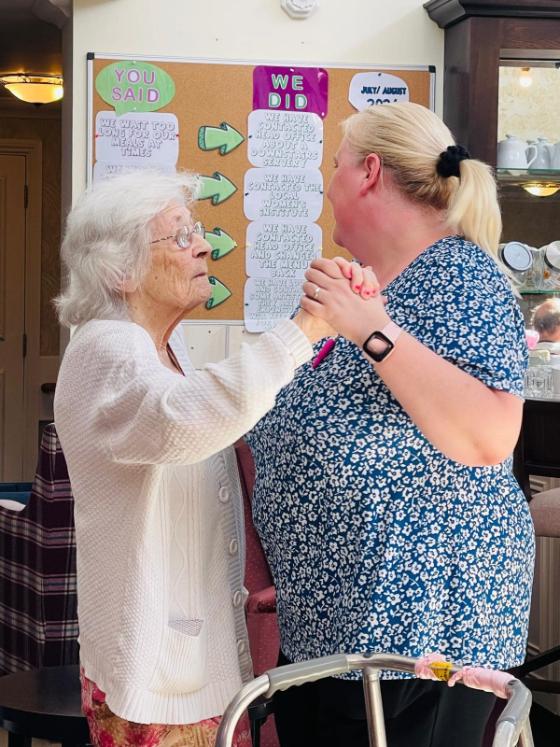
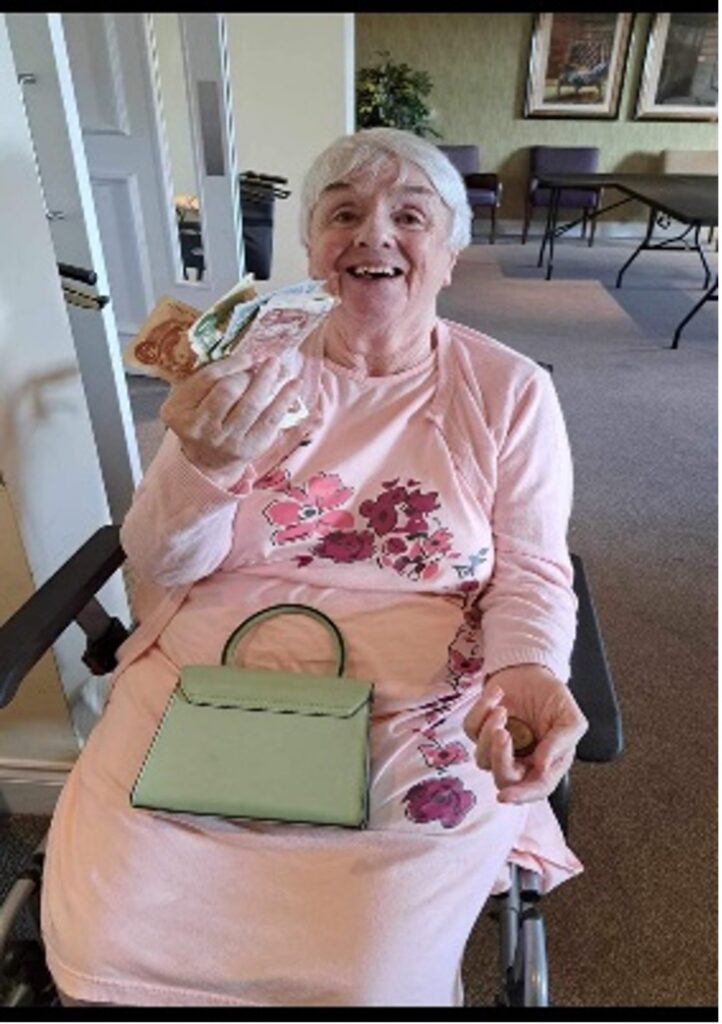
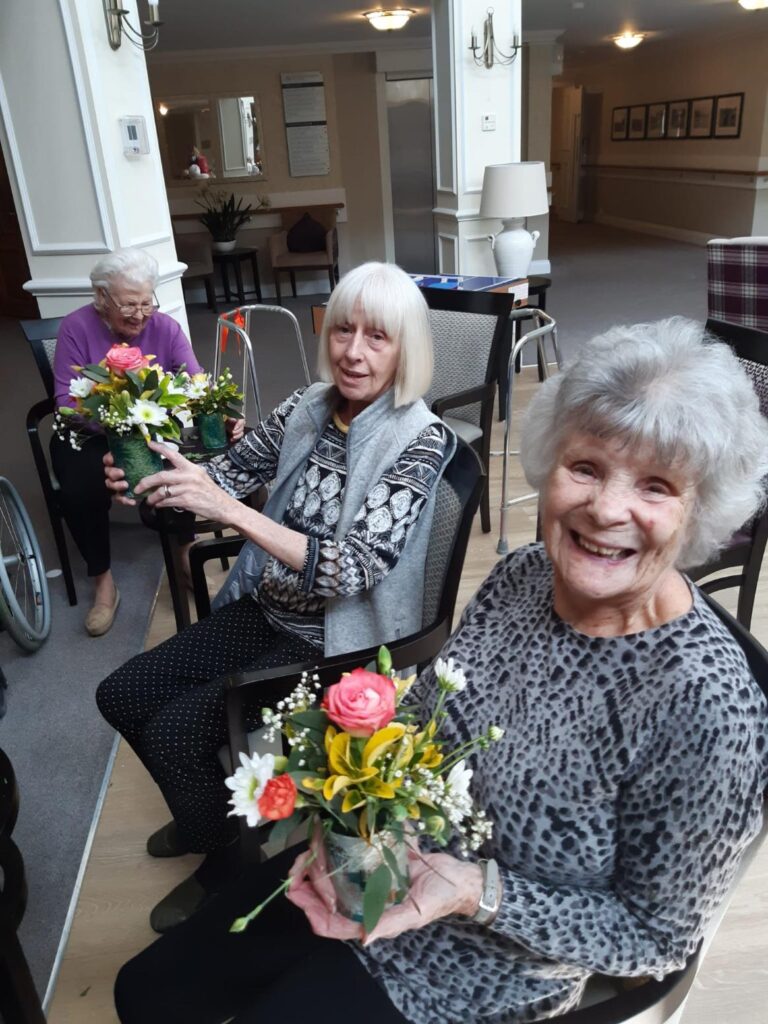
Trying new activities can also help residents discover new passions and build confidence in later life.
Safety Without Restriction
One of the greatest benefits of a care home is the reassurance that support is always available when needed.
Many older adults living alone worry about falls, medical emergencies or managing daily tasks safely.
In a care home, residents can enjoy their independence while knowing that trained professionals are available around the clock.
This balance between freedom and support often provides peace of mind not only for residents but also for their families.
When people feel safe and supported, they are often more willing to remain active, social and engaged.
Adapting Support as Needs Change
Another important advantage of care home living is the ability to adapt support over time.
As care needs evolve, the level of assistance can be adjusted without requiring a disruptive move or major lifestyle change.
This continuity helps residents maintain familiar routines, relationships and surroundings while ensuring they always receive the support they need.
Families can feel reassured knowing their loved one has access to personalised care that grows alongside their changing needs.
Supporting Independence at Beaumont Manor Care Home
At Beaumont Manor Care Home in Frinton-on-Sea, we believe that great care should empower residents to live life their way. Our dedicated team takes the time to understand every resident as an individual, providing personalised support that promotes independence, confidence and wellbeing.
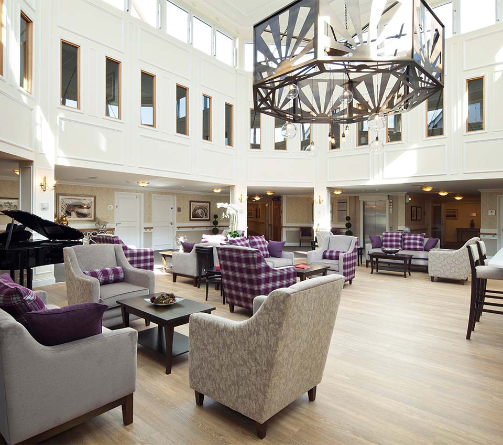
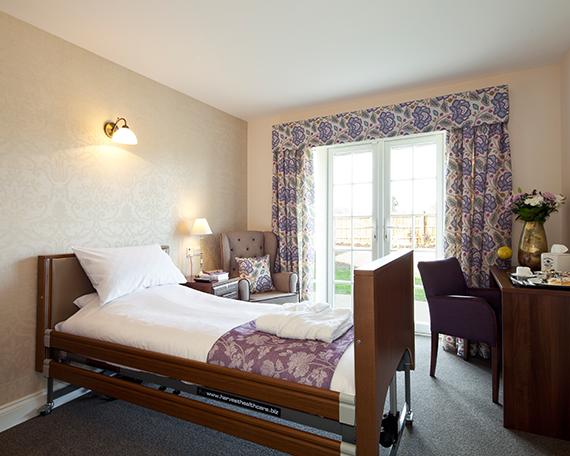
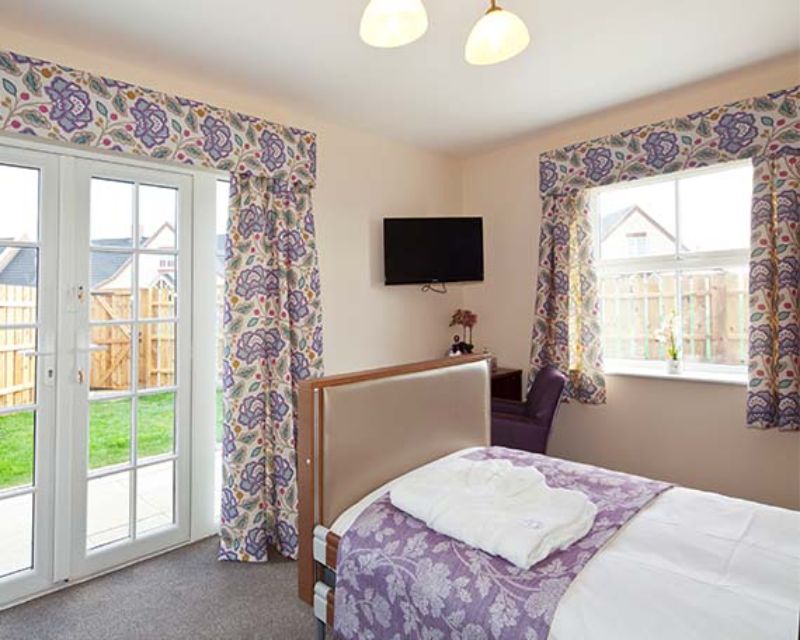
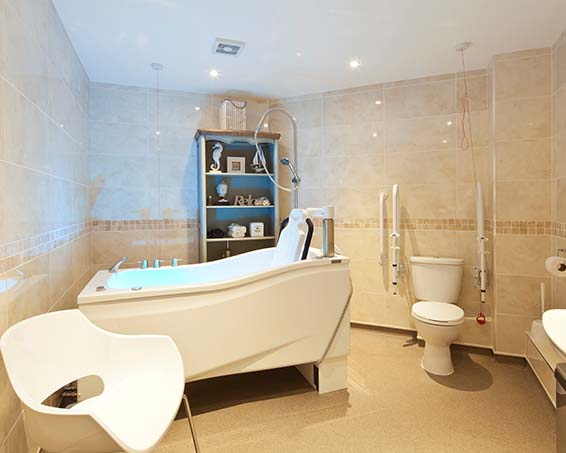
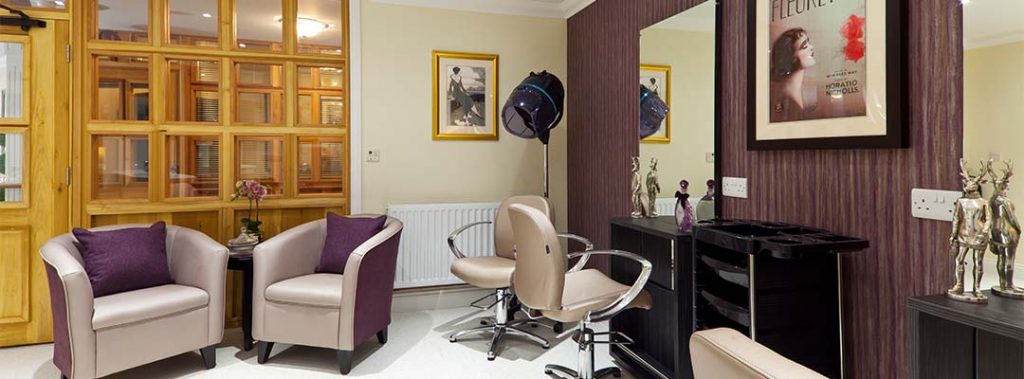
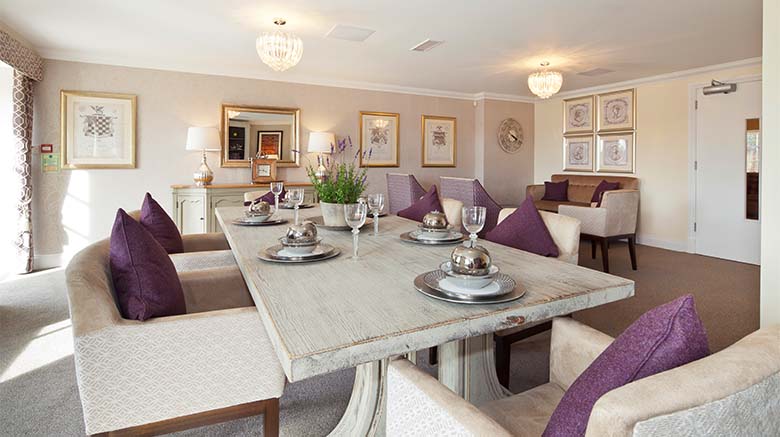
From meaningful activities and welcoming social spaces to high-quality residential care, dementia care and respite care, every aspect of life at Beaumont Manor is designed to help residents continue enjoying the things that matter most to them.
If you are exploring residential care homes in Essex for yourself or a loved one, we would be delighted to show you how Beaumont Manor combines professional support with a warm, independent and fulfilling lifestyle. Get in touch today!