What Is an All Inclusive Care Home? A Simple Guide for Families
When families begin looking for care for an older loved one, one of the first concerns is often cost. Not just how much care costs, but what is actually included and whether there will be unexpected extras along the way. This is where the idea of an all-inclusive care home often comes up.
An all-inclusive care home is a care setting where the weekly fee covers most day-to-day living costs, care services, meals, activities and facilities in one clear package. Rather than paying separately for laundry, food, social activities or basic support, everything is wrapped into a single agreed fee. For many families, this brings reassurance, clarity and peace of mind at a time when there is already a lot to think about.
Understanding what an all-inclusive care home really offers can help families decide whether it is the right choice and whether it fits their loved one’s needs now and in the future.
What Is an All Inclusive Care Home?
So, what is an all inclusive care home in practical terms?
It is a care home where residents receive accommodation, meals, daily support, activities and access to facilities without worrying about additional charges for everyday essentials. The aim is to create a comfortable, secure environment where residents can focus on enjoying life rather than managing household costs or bills.
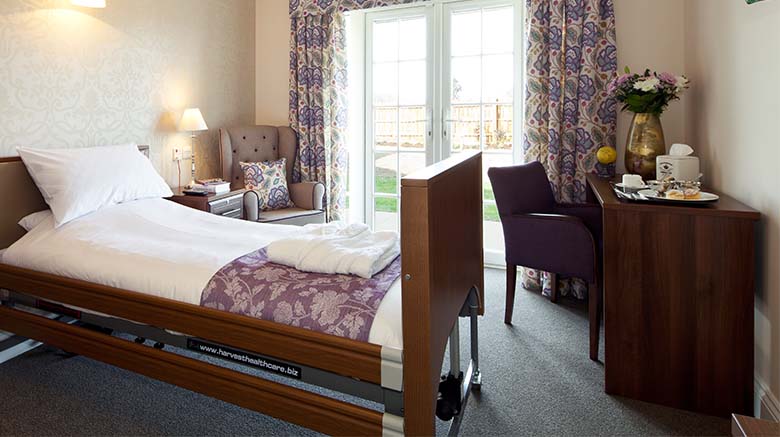
While every home is different, most all-inclusive care homes provide a combination of personal care, support with daily routines, nutritious meals, housekeeping, laundry and a full activities programme as part of the standard fee. In many cases, this also includes access to communal spaces, gardens, entertainment areas and wellbeing services.
For families comparing options, an all-inclusive model can make budgeting simpler and reduce uncertainty around future costs.
Why Families Choose All-Inclusive Care Homes
Choosing care is often an emotional decision. Families want to know their loved one will be safe, comfortable and well supported without unnecessary stress.
One of the main reasons families look for an all-inclusive care home is transparency. Knowing what is covered from the outset removes the worry of hidden charges or unexpected extras later on. It also allows families to plan financially with greater confidence.
Another important factor is quality of life. When residents do not need to think about cooking, cleaning, laundry or household maintenance, they are free to spend their time doing things they enjoy. Socialising, relaxing, taking part in activities or simply enjoying a peaceful routine can make a significant difference to wellbeing.
For older people who may already feel overwhelmed by daily responsibilities, this sense of ease can be hugely comforting.
What Is Usually Included in an All Inclusive Care Home?
Although inclusions vary slightly between homes, most all-inclusive care home fees cover the essentials needed for comfortable everyday living.
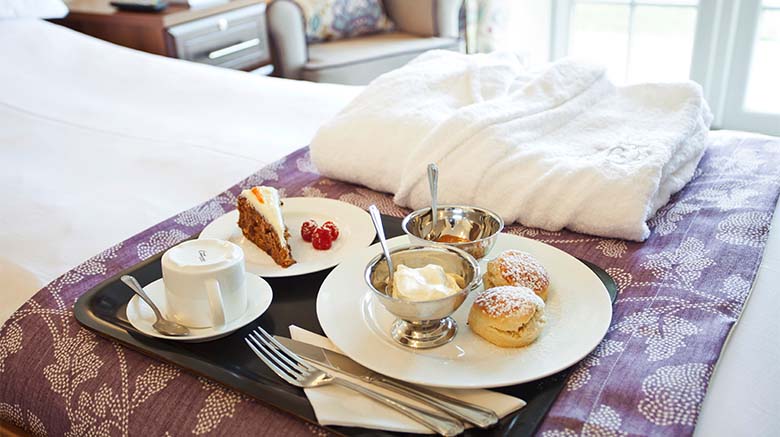
This typically includes all meals and refreshments throughout the day, with menus designed to meet nutritional needs and personal preferences. Laundry and housekeeping are usually provided so residents do not need to worry about chores. Personal care support is included, such as help with washing, dressing and medication prompts.


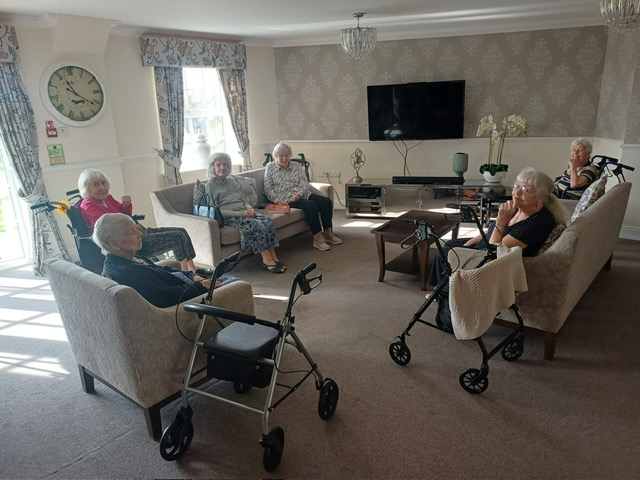
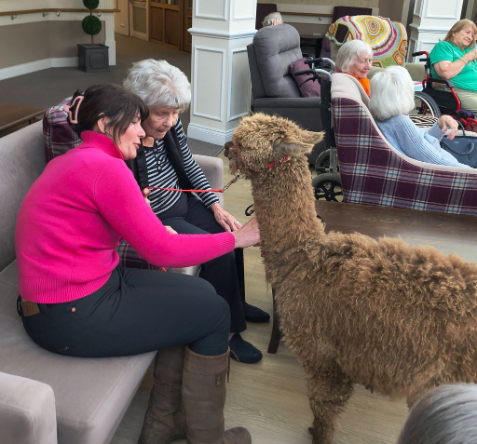
Residents can also expect a varied activities programme as part of daily life. This may include creative sessions, gentle exercise, games, entertainment and opportunities to socialise with others. Access to lounges, gardens and shared spaces is normally included too.
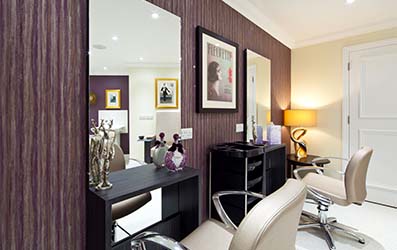
In some homes, additional features such as hair salons, wellbeing treatments or special events may also form part of the all inclusive offering.
All Inclusive Care and Different Types of Care
It is important to understand that all-inclusive care homes are not limited to one type of care. Many offer a range of services depending on individual needs.
Some residents may receive residential care, which focuses on personal support and daily living. Others may require dementia care, respite care or more complex support. In some cases, an all-inclusive setting may also operate as a private nursing care home, where qualified nurses are available to provide medical care alongside everyday support.
This flexibility can be especially reassuring for families. Care needs often change over time, and living in a home that can adapt to those changes helps avoid disruptive moves in the future.
Are All Inclusive Care Homes Good Value?
When comparing care options, it can sometimes appear that all-inclusive care homes cost more at first glance. However, when everything is taken into account, they often represent good value.
Paying one clear fee that includes accommodation, care, meals, activities and facilities can be more cost effective than paying a lower base fee with many additional charges added later. It also removes the administrative burden of managing multiple payments.
During periods of rising living costs, having heating, food and services included can provide stability and reassurance for both residents and their families.


Funding and Assessments
Before moving into an all-inclusive care home, individuals usually receive a care needs assessment. This helps determine the level of support required and ensures care is tailored appropriately.
Some residents may be eligible for financial support from their local authority, depending on their circumstances. Others may choose to self-fund. Care homes are generally happy to explain what is included, how fees work and what support may be available.
Taking time to discuss funding options openly can help families feel more confident about their decision.
What Makes an All Inclusive Care Home Ideal?
The most ideal care homes are not just about what is included financially. They are about how residents feel day to day.
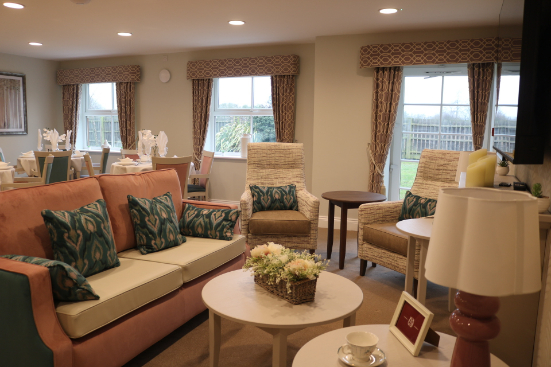
A good all-inclusive care home should feel welcoming and homely. Staff should know residents well, understand their routines and respect their preferences. Care should feel personal rather than rigid, with residents supported to maintain independence wherever possible.
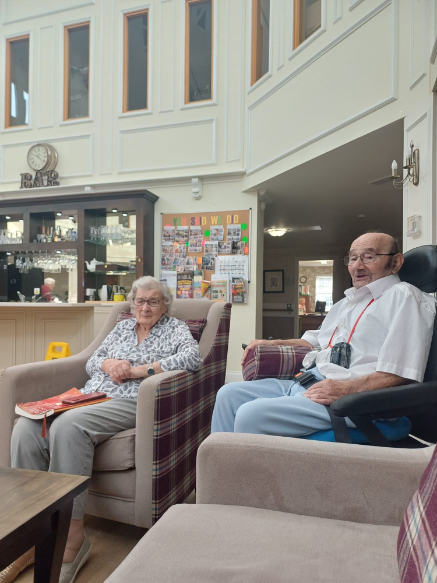
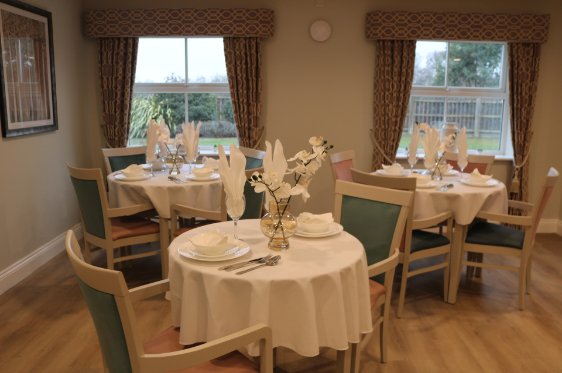
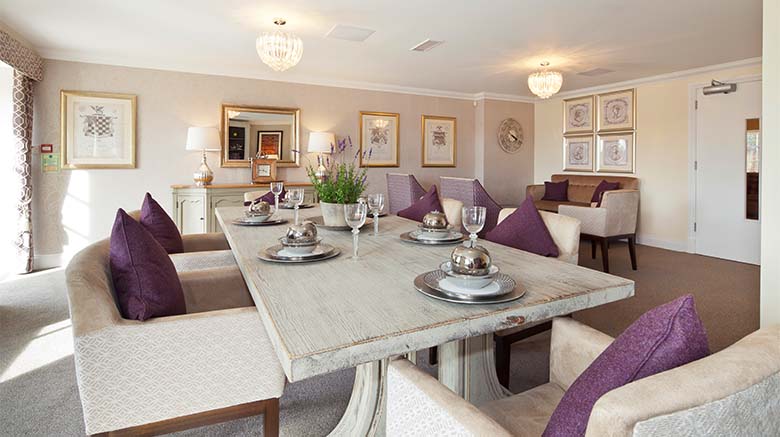
Facilities play a role too. Comfortable lounges, inviting dining spaces, gardens and areas for hobbies all contribute to quality of life. Activities should be meaningful and flexible, not just scheduled for the sake of it.
When these elements come together, an all-inclusive care home can feel less like an institution and more like a genuine home.
All-Inclusive Living at Beaumont Manor Care Home
At Beaumont Manor Care Home in Frinton-on-Sea, we understand that choosing care is about trust, clarity and compassion. Our approach to all-inclusive care is designed to remove worry and provide families with reassurance, while offering residents a warm, supportive environment where they can truly settle.
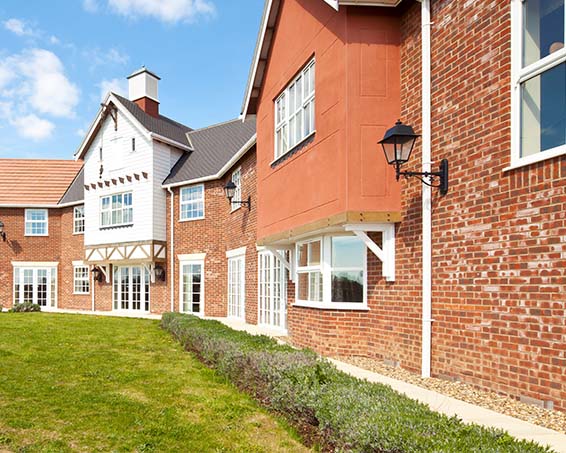
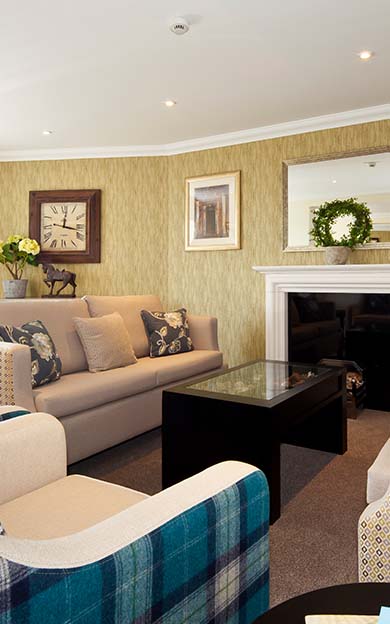
We provide personalised care tailored to individual needs, alongside comfortable accommodation, nutritious meals and a varied lifestyle programme. Our team takes the time to get to know each resident, ensuring care feels respectful, consistent and genuinely caring.
Whether someone is looking for residential support or a private nursing care home environment with additional reassurance, our focus remains the same. To provide care that supports dignity, comfort and quality of life.
Is an All Inclusive Care Home Right for Your Loved One?
Every family’s situation is different, and there is no one-size-fits-all all answer. However, for many older people, an all inclusive care home offers simplicity, security and a sense of belonging that can be hard to achieve elsewhere.
If you are exploring care options and want clearer costs, consistent support and an environment that prioritises wellbeing, an all-inclusive care home may be worth considering.
If you would like to learn more about life at Beaumont Manor Care Home in Frinton-on-Sea or discuss whether our care approach could be right for your loved one, our friendly team is always happy to help.