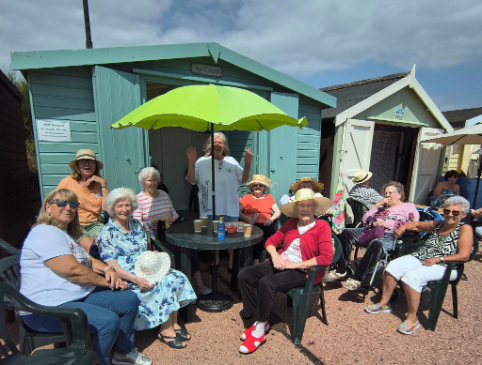
Meaningful Activities in Care Homes for Elderly People with Dementia
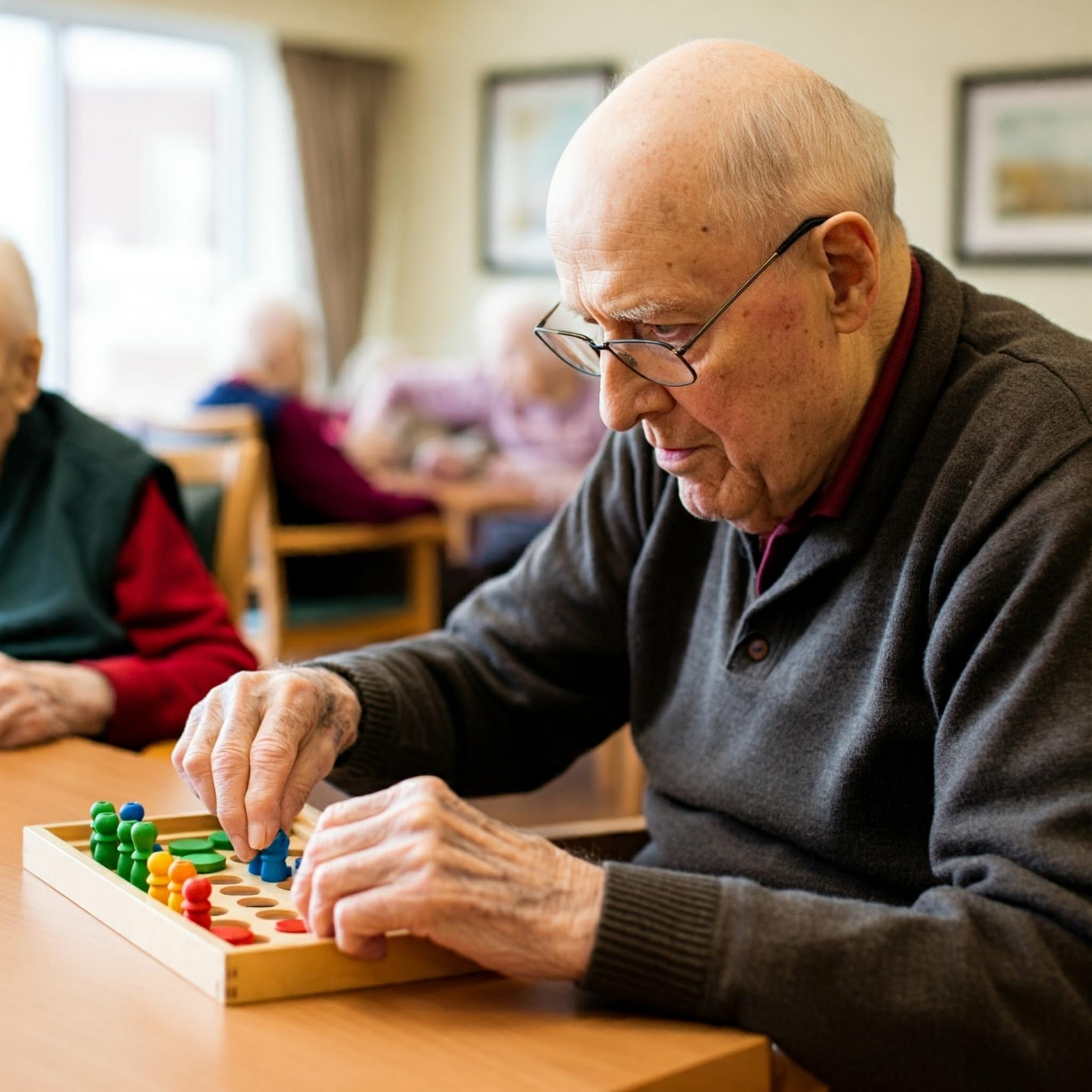
Activities play a vital role in supporting people living with dementia. They offer far more than a way to pass the time. The right activities can help improve well-being, maintain physical and cognitive abilities, and give each day a sense of comfort and purpose. As dementia progresses, the world can sometimes feel smaller or more confusing, which is why meaningful engagement is so important. These carefully planned moments can spark memories, strengthen confidence, and bring reassurance to loved ones too.
Why Well Planned Activities Matter
For someone living with dementia, staying engaged in familiar, enjoyable tasks can make a real difference. Dementia affects memory, perception, communication, and how someone makes sense of their surroundings. Thoughtfully designed activities can help people feel calmer, more connected, and more independent.
Regular engagement in fulfilling tasks, including reminiscence sessions, can help maintain abilities for longer. Whether it is listening to a favourite song, creating something in a craft activity, or enjoying time in the garden, these moments often bring joy and reduce anxiety. Sensory experiences such as familiar textures, scents, or music can help people reconnect with their identity, offering comfort and a feeling of belonging.

These activities are not about keeping busy. They enrich daily life, support emotional wellbeing, and help create meaningful moments that residents and their loved ones can share together.
Creative Activities that Spark Expression
Creative activities give people with dementia an opportunity to express themselves in a way that feels natural and reassuring. Artistic projects such as painting or drawing allow individuals to explore colours, shapes, and familiar ideas without pressure or rules. The enjoyment lies in the doing, not the final result, which helps boost confidence and mood.
Music can also be incredibly powerful. Familiar songs often evoke strong memories, bringing comfort or recognition even in the later stages of dementia. Group singing, gentle drumming, or simply listening to meaningful tracks can encourage relaxation and connection with others.
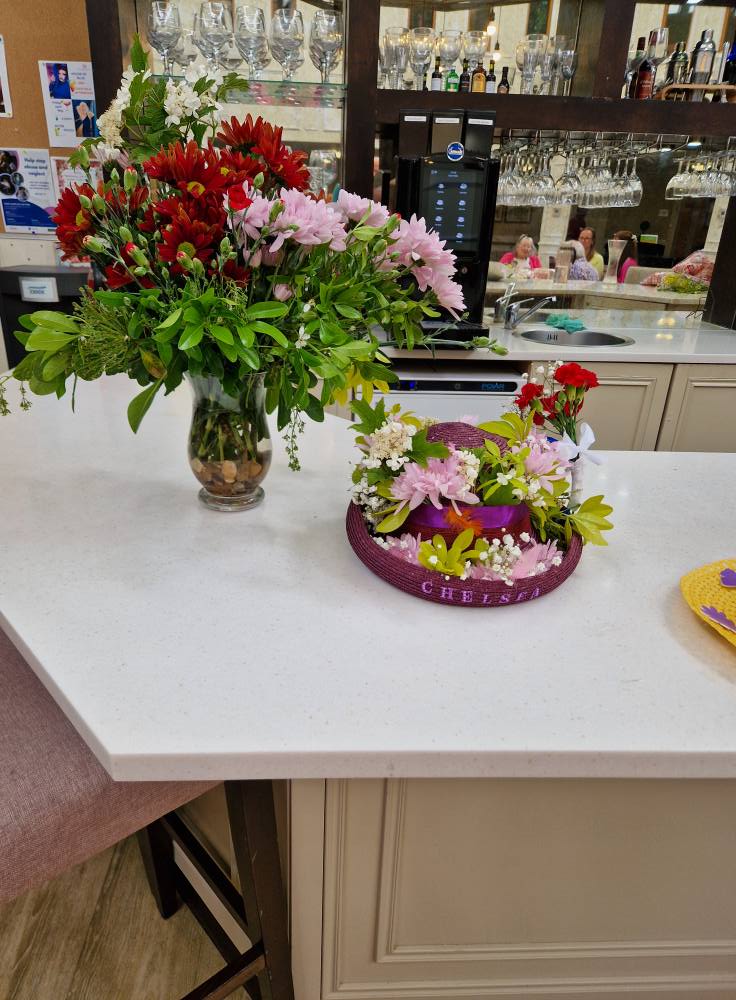
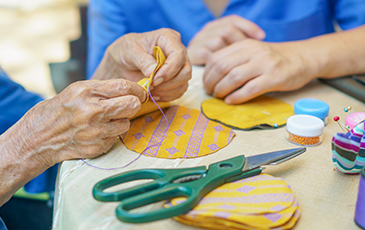
Sensory tasks such as flower arranging, knitting, or simple arts and crafts sessions are equally rewarding. These activities offer structure, familiarity, and comfort while giving residents a calming focus.
Keeping Active with Gentle Physical Activity
Physical activity remains important for people living with dementia. It supports mobility, strength, and emotional well-being, and provides opportunities for social interaction. Gentle movement such as walking through the gardens, stretching exercises, or chair-based yoga can ease restlessness, improve sleep, and lift mood.
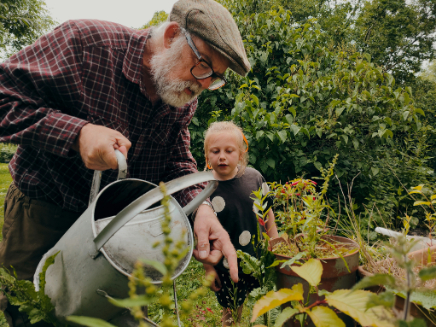
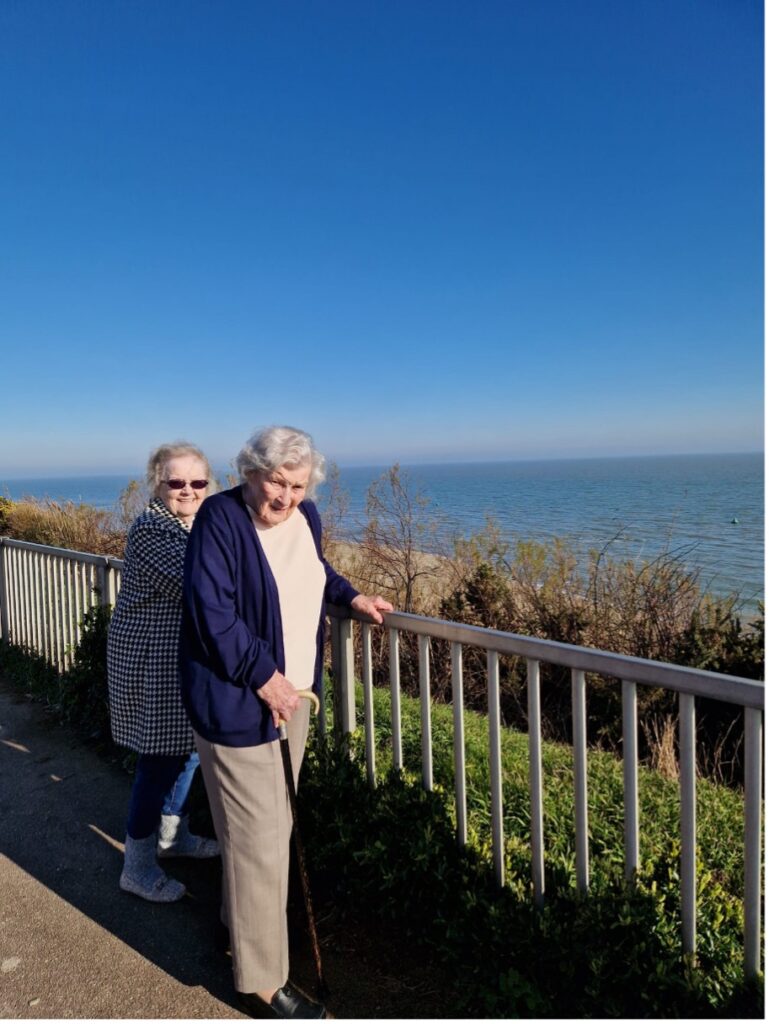
Walking is one of the simplest ways to stay active. A stroll through safe outdoor spaces, or even familiar indoor routes, helps stimulate the senses and provides comforting routine. Gardening activities such as planting or watering also encourage movement while offering the satisfaction of nurturing something.
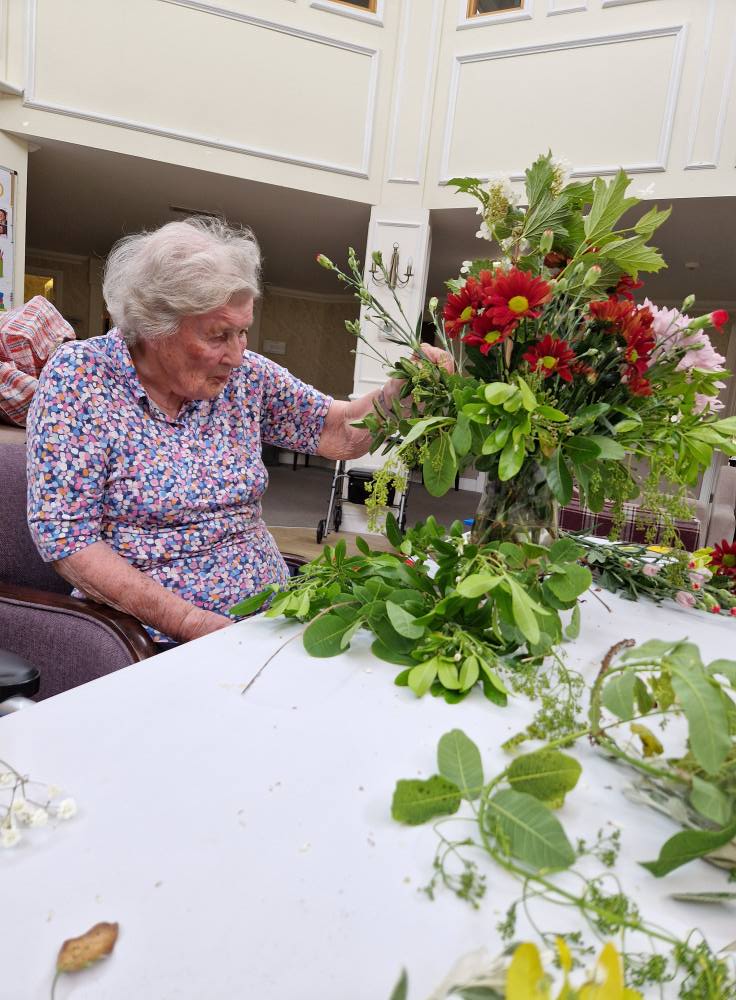
Structured group exercises help maintain balance and coordination and can be adapted to suit different abilities. Dancing to favourite music or joining in movement-based games adds enjoyment and connection, especially for those who respond well to rhythm and sound.
Supporting Families and Loved Ones
Moving into a care home is a significant step, both for the resident and for their family. Loved ones may feel a mixture of relief, worry, or sadness, which is why emotional support is essential.
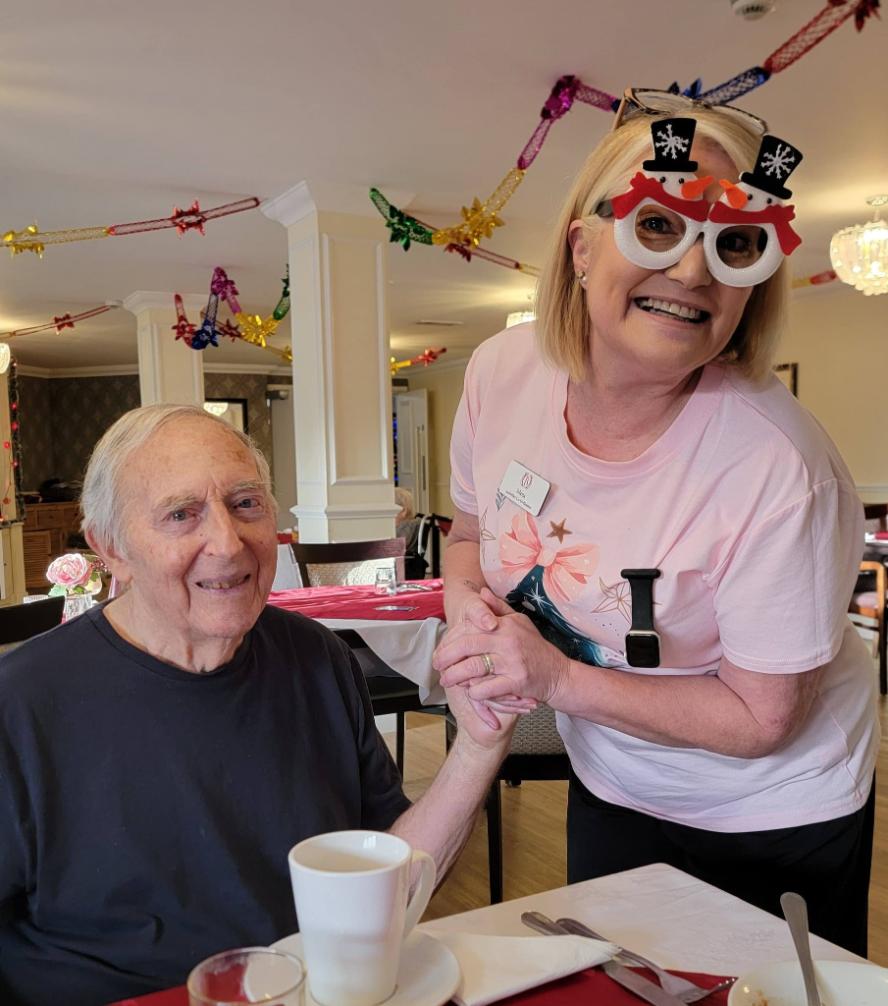
Creating opportunities for families to stay involved in daily life helps strengthen relationships. Inviting relatives to join activities programmes, gardening afternoons, or creative workshops can bring shared moments of comfort and joy. Open communication is key too. Regular updates, conversations, care meetings, or photos of residents enjoying activities reassure families that their loved one is happy and supported.
Care teams also play an important role in helping families understand dementia and feel confident in the care their loved one receives. A welcoming environment, spaces for private time together, and thoughtful support can make a world of difference.
Building Connections with the Community
Community involvement provides residents with a sense of belonging and helps build a more inclusive understanding of dementia. Visits from local groups, intergenerational activities, or volunteer programmes can bring energy and positivity into the home. These opportunities often create genuine bonds between residents and visitors.
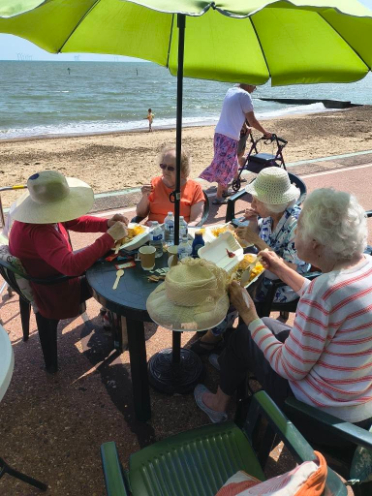
Hosting events such as coffee mornings, summer fairs, or charity fundraisers strengthens connections between residents, families, and the local community. Outings to parks, museums, or garden centres add variety and stimulate the senses. For those who are less able to travel, virtual tours or streamed performances bring the outside world in.
Dementia Care at Beaumont Manor Care Home
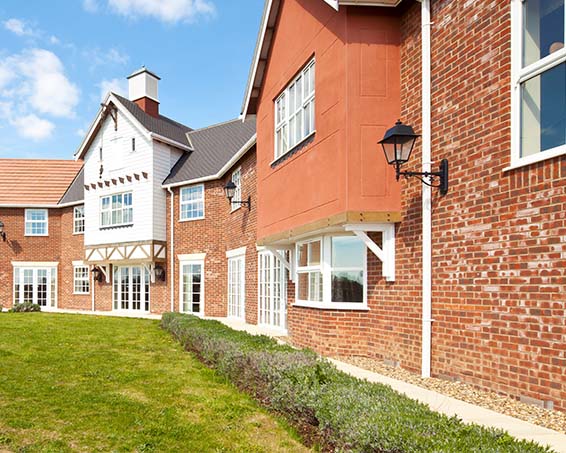
At Beaumont Manor Care Home, dementia care focuses on creating a warm, reassuring environment where residents can truly thrive. Every resident is supported as an individual, with activities, routines, and care plans shaped around their interests, abilities, and needs.
Whether someone enjoys spending time in the gardens, relaxing in the cinema room, taking part in arts and crafts, browsing the library, or joining sessions from our varied activities programme, there are plenty of opportunities to find joy each day. Our caring team takes time to understand each person, helping them feel valued, understood, and supported.
If you are looking for compassionate, high quality dementia care in Frinton on Sea, Beaumont Manor offers expert support in a homely and uplifting setting.
Book a Visit to Beaumont Manor
If you are exploring care options for a loved one and would like to learn more about our dementia care, we would be delighted to welcome you. Come and experience our warm community, our engaging facilities, and our personalised care services.
Get in touch to arrange a visit and discover how Beaumont Manor can support your loved one.